
Black Carrot Color and Concentrate: Understanding Their Role in Natural Food Coloring
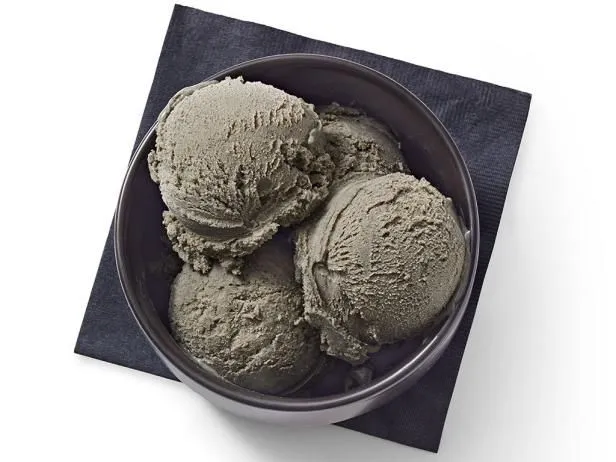
Food manufacturers are looking at new and varied plant-based options when it comes to creating appealing colors for contemporary foods. Black carrot is an interesting source, as the naturally occurring pigments can impart rich red, purple and reddish color to appropriate formulations. Black Carrot color may be used for beverages, confectionery, desserts, dairy products and other products where a unique natural color will enhance the final product.
Understanding Black Carrot as a Color Source
Black Carrot is a naturally coloured carrot that contains anthocyanins and is deep in color. Depending on the formulation and use, these pigments can give hues from red to purple to darker hues.
Hence, the use of black carrots as a coloring agent is an interesting prospect for manufacturers looking for alternatives to traditional coloring methods. The final appearance is, however, dependent on the concentration used, the food matrix, the level of acidity, the processing conditions and the desired shade. Knowledge of these attributes can guide product development when deciding on color choice.
Exploring Black Carrot Concentrate
Black Carrot Concentrate comes in a concentrated form of the natural pigments present in black carrots. A concentrated ingredient may be used when the manufacturer desires to create good color without sacrificing the specifications of their specific formulation.
The concentration will differ according to the appearance desired and the properties of the finished food. In the early development phase, small-scale trials can be done to compare the application rates, and the effective rate of the application can be judged.
Testing is particularly beneficial because the same color ingredient might have different appearances when added to a beverage, confectionery, dairy product or other food matrix.
Applications Across Food Products
Black carrot color can be used in various product categories. Red and purple shades can be used in beverages to harmonize with fruit-based formulations, and in confectionery and desserts to provide more expressive visual effects.
Other dairy, sauces, fruit preparations and some plant-based products may also offer potential opportunities for this kind of natural color ingredient. The application will vary depending on the desired shade and formulation environment.
One of the first things manufacturers can do is determine what they would like the product to look like once it’s completed. From there, they can test for appropriate color levels and techniques.
Considering pH and Food Formulation
The color sources based on anthocyanins are noticeably affected by the surrounding food matrix. One of the considerations developers might take into account is the acidity when using black carrot ingredients.
The final look can also be affected by other formulation properties like moisture, ingredients and processing parameters. By testing the color in the product, manufacturers will be able to better understand these interactions. Small formulation trials offer a chance to compare various conditions and determine an approach for application that is suitable for the product.
Evaluating Processing and Storage
Different situations can arise during production and storage of commercial food products. Color development may be affected by heating, mixing, cooling, freezing, degree of lighting, and duration of storage.
During testing, manufacturers can reproduce critical manufacturing steps and see how the chosen color functions. This can aid development teams in comprehending the final look and creating sensible processing techniques. Information about storage evaluation may also be helpful. Reviewing the finished product over the expected storage period may provide a means for the team to record a suitable formulation or production method.
Choosing a Suitable Ingredient Format
Natural color ingredients may come in various forms for the various uses. Liquid or powder forms may be considered depending upon equipment available, production method, moisture content and method of incorporation.
The format chosen should be easy to fit into the existing manufacturing process. The data obtained from the testing of the ingredient will give practical information, such as mixing, dispersion, measurement and final appearance, during the actual formulation. Discussions with technical experts on the ingredients can also give the product developer a range of choices for his product.
Creating a Consistent Product Appearance
Having agreed on the preferred black carrot ingredient and application, manufacturers can record the important formulation information. These can be the concentration, the order of ingredients, the mixing methods, processing methods and the desired shade.
Having clear specifications can help the production team keep consistency between batches. They can also be helpful in future product development when other shades of red or purple are desired over a wider product spectrum.
Conclusion
Black carrot is a desirable natural source of red and purple coloring for various formulations for food manufacturers. When there is an evaluation of concentration, pH, type of food, processing conditions, storage and food formats, the developer can determine an approach that fits their product objectives. When it comes time to develop a food or beverage product using black carrot as a color, check out foodrgb.com for color options and get your product development process started.


